Disclaimer:
This page is an independent educational resource and is not affiliated with or managed by any official organization or service.
Article Text
The ccc portal and related mycccportal environments are commonly referenced when discussing how academic institutions organize digital access to information and services in a unified online setting. From an informational perspective, these portals represent structured frameworks designed to centralize academic schedules, portal services, and academic records into a single navigational space.
At a conceptual level, a ccc portal functions as a digital aggregation layer. Rather than existing as a single-purpose interface, it integrates multiple informational components under a consistent structural model. This approach allows academic data to be grouped logically while maintaining separation between different content categories.
CCC Portal as a Structural Framework
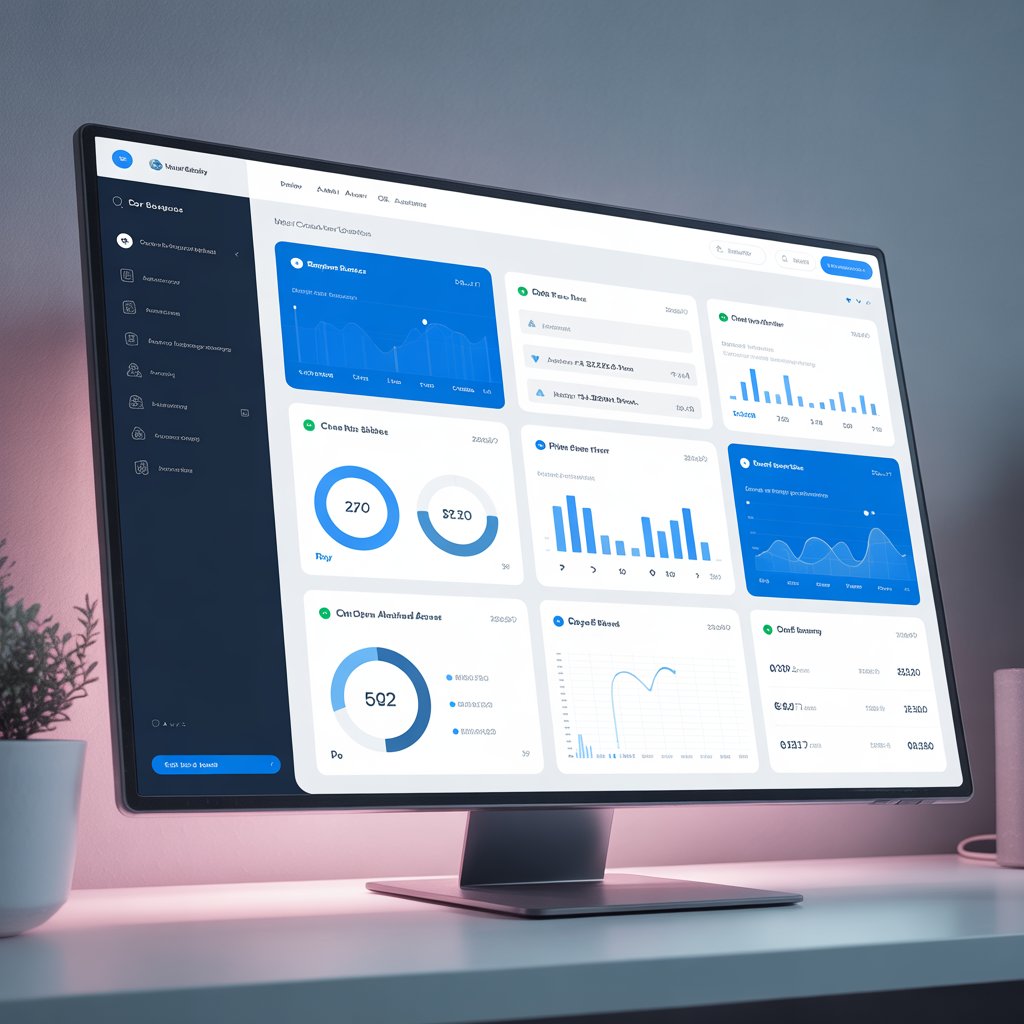
Within a typical ccc portal model, the portal dashboard serves as a central reference point. This dashboard does not perform actions but organizes visibility across different informational modules. Common structural elements include:
- Academic schedule references
- Course planning summaries
- High-level academic records listings
- Portal services categorized by function
Each of these components exists independently but is presented within a unified visual hierarchy.
MyCCCPortal and Unified Navigation Design
The mycccportal naming convention is often associated with personalized views of the broader portal structure. From an architectural standpoint, this reflects a layered approach where general portal services coexist with individualized informational groupings.
CCC Portal Data Organization Principles
Two guiding principles typically define portal structure:
- Centralized navigation with distributed content
- Clear separation between informational categories
This ensures consistency across the portal dashboard while preventing informational overlap.
Summary
In summary, the ccc portal and mycccportal environments illustrate how academic institutions conceptually organize digital access using structured dashboards, categorized portal services, and clearly defined academic information groupings.